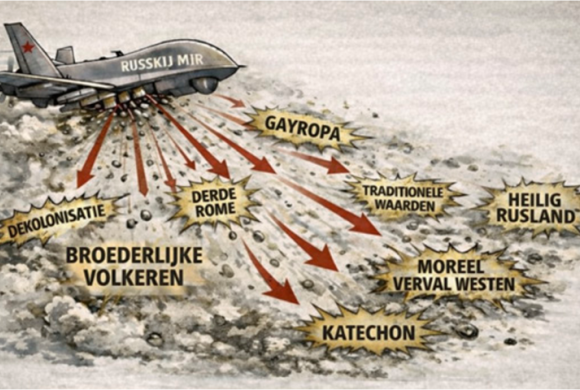
Weaponising Cultural Heritage: The Use of Strategic Narratives in Russia’s full-scale invasion of Ukraine

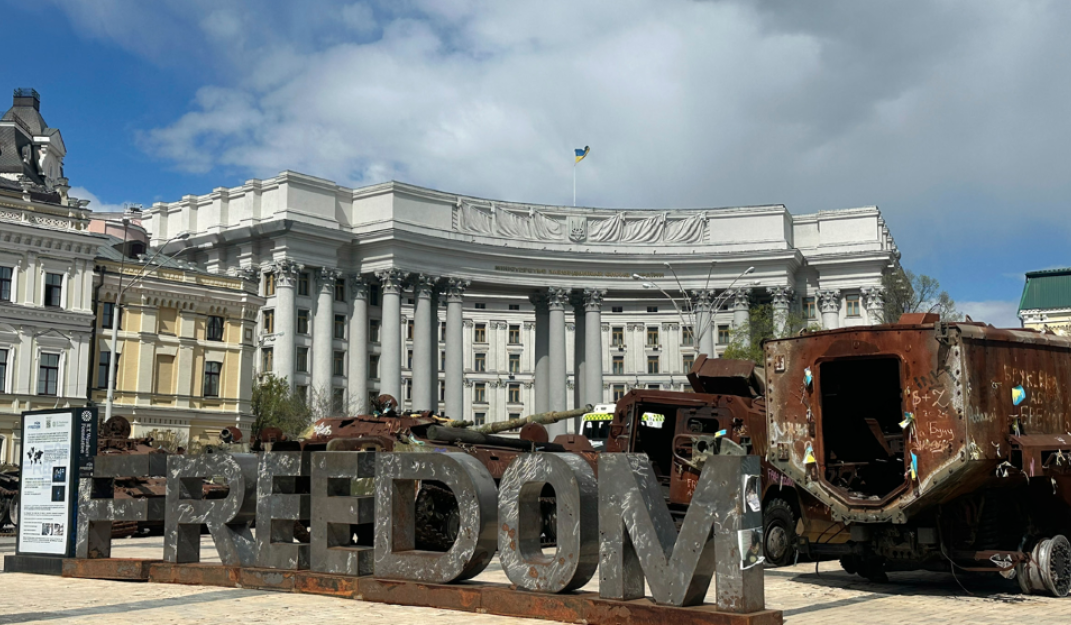
Russia’s full-scale invasion of Ukraine has deliberately targeted the country’s cultural heritage, including buildings, monuments, archives, libraries and museums. The intentional destruction of these custodians of memory and identity inspires this policy brief, which is guided by the following research question:
Why does Russia weaponise cultural heritage; more specifically, why does it engage in the destruction of Ukrainian heritage, despite being aware that such actions tend to reinforce Ukrainian identity and, thus, resilience?
To answer this question, this report begins by providing a conceptual background, exploring cultural heritage as a battleground through the notions of weaponisation, politicisation, militarisation, and securitisation. It then presents a Strategic Narrative Analysis (SNA) in two complementary steps: (1) a broad mapping of the narratives related to the destruction and looting of cultural heritage (macro-level analysis), revealing a wide range of narratives advanced by both Russia and Ukraine; and (2) an in-depth examination of the logic underpinning the dominant narratives, highlighting their interactive nature (meso-level analysis) and drawing attention to the gap between what is articulated and what is left unsaid (micro-level analysis). Addressing thus both the what question (which narratives are advanced) and the how question (how they are advanced), the report follows the traditional analytical sequence of SNA, linking content to practice