
The TRIPP Corridor: Connectivity and Geopolitics in the South Caucasus

Russia’s full-scale invasion of Ukraine transformed connectivity into a matter of geopolitical security. As traditional transit routes through Russia became increasingly uncertain, attention shifted toward alternative east-west corridors linking Europe and Asia through the South Caucasus. Improved relations between Armenia and Azerbaijan subsequently created opportunities for projects that had long been politically unfeasible.
One of the most ambitious initiatives to emerge from this changing landscape is the Trump Route for International Peace and Prosperity (TRIPP) Corridor, announced in August 2025. Initially conceived as a transport link connecting Azerbaijan with its exclave Nakhchivan through Armenia, the project has rapidly evolved into a broader connectivity initiative encompassing transport, energy, and digital infrastructure. This article argues that TRIPP is no longer merely a corridor, but an emerging strategic connectivity framework whose significance has only increased amid renewed instability in the Middle East.
Read the full analysis by Vita van Dreven and Elena Zarantoniello at The Hague Research Institute.
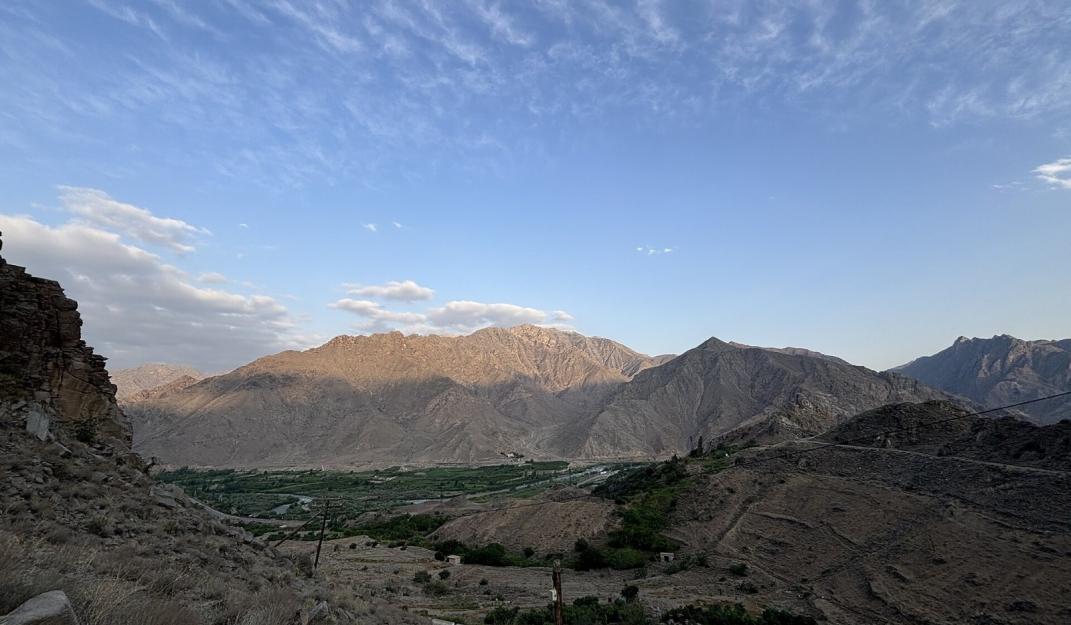
Photo“Вид с высокой точки Мегри” (View from a high point, Meghri) by Well-read MountainMan, via Wikimedia Commons, CC BY-SA 4.0. Cropped.

The Hague Research Institute
The Hague Research Institute is an independent non-profit think-tank. Our goal is to provide both local and international audiences with clear policy analysis, opinion articles, and research about Europe’s connections with the South Caucasus and Central Asia.