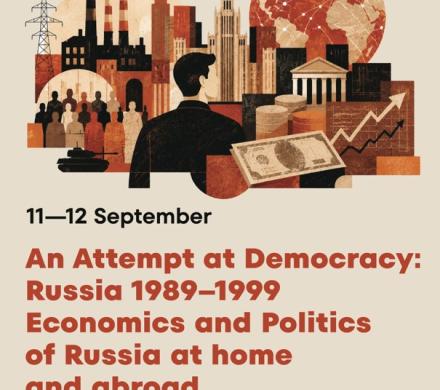
This European lecture series explores politics, society, economics, history, culture, and media in Russia during the transformative decade of the 1990s.
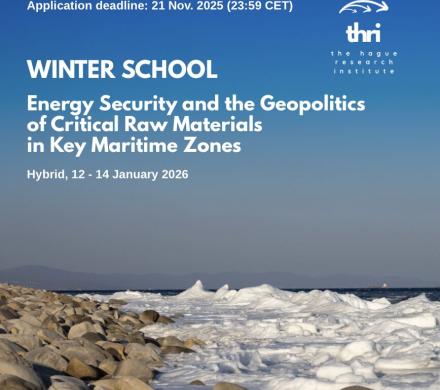
We’re thrilled to announce the hybrid Winter School Energy Security and the Geopolitics of Critical Raw Materials in Key Maritime Zones, 12-14 January 2026. We will focus on the Caspian Sea, the Black Sea and the Arctic Sea during the Winter School.
On November 4, Dr Olga Zeveleva (Assistant Professor in Conflict Studies, Utrecht University) will speak on "Colonialism and Authoritarianism - Russia’s imperial ambitions abroad and repressive politics at home."
In this Concerning War and Conflict lecture, Yuliya Yurchenko (University of Greenwich) will discuss the political economy of the Russo-Ukrainian war in global perspective.
Marinus Ruppert building, lecture hall Red (Science Park)
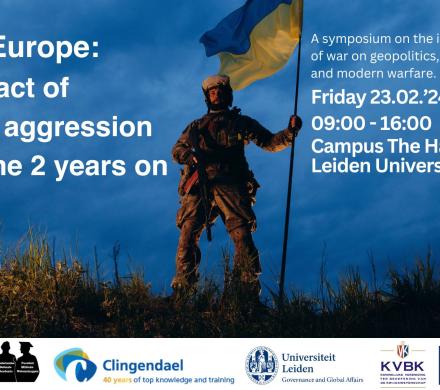
Two years after Russia’s full-scale invasion of Ukraine, the war continues to cause extreme civilian harm and military casualties and has changed Ukrainian society to the core.
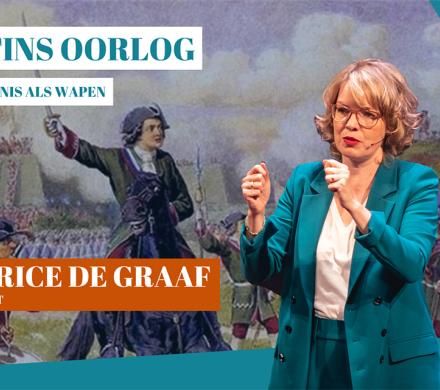
Poetin stortte Europa in de grootste oorlog sinds de Tweede Wereldoorlog. Nog steeds fascineert de vraag waarom hij eigenhandig het pad van de vernietiging koos. Hoe radicaliseerde Poetin? En op welke historische en religieuze gronden rechtvaardigt hij de oorlog?
Op dit moment staan vooral geopolitieke en militaire duidingen van de oorlog in Oekraïne op de voorgrond, maar tijdens deze middag ligt de focus op culturele, historische en taalkundige achtergronden van deze crisissituatie.
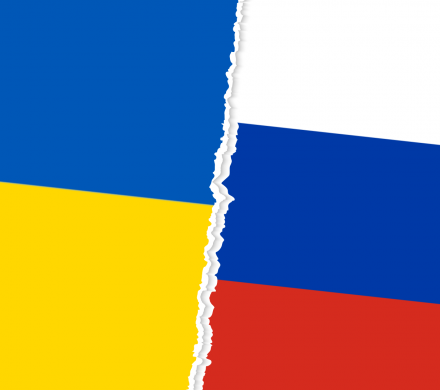
The current tensions between Russia and Ukraine pose the biggest challenge to peace in Europe in recent years. The main cause of the conflict is Russian unease with the existing political and security order of Europe and its demand that it be overhauled to accommodate Russia’s security interests.